What Is Laser Coring and Why Is It Generating So Much Interest?
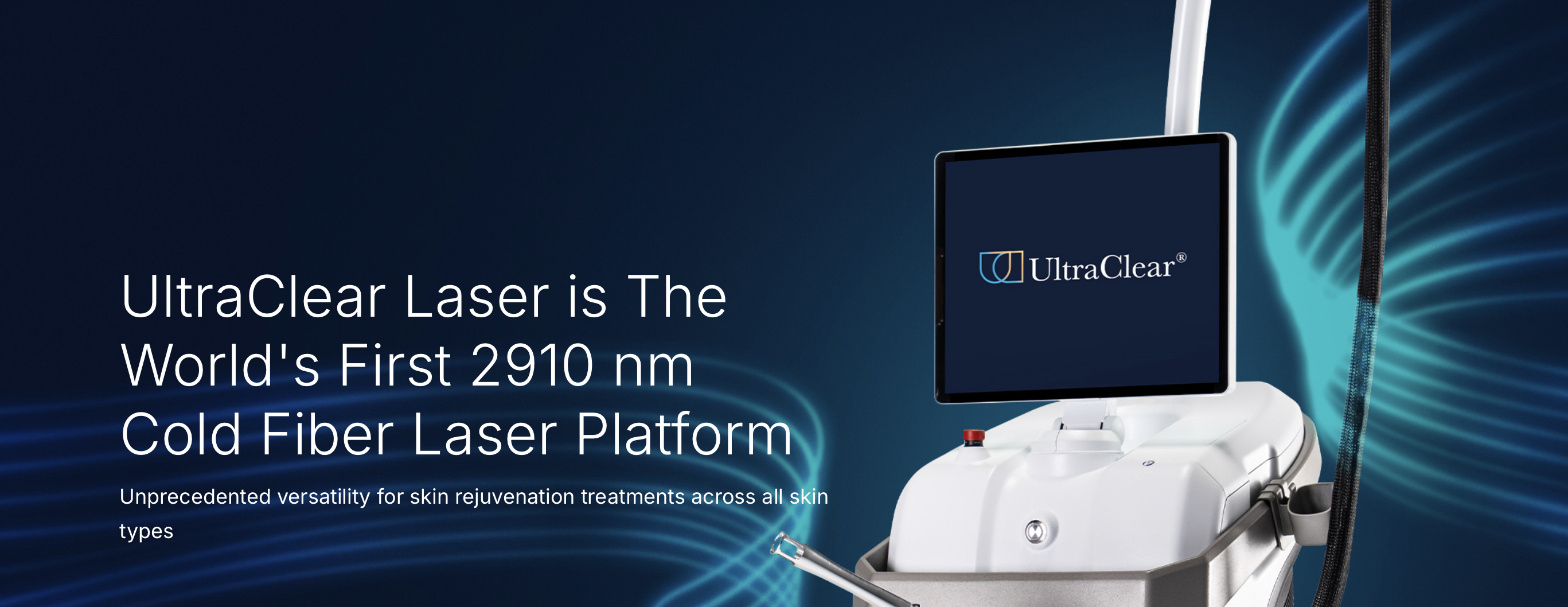
The aesthetics industry is always innovating, but few technologies have generated as much discussion as laser coring has over the past year. Positioned as a new approach to non-surgical skin tightening, the treatment is attracting attention for addressing skin laxity while offering shorter recovery times than many traditional ablative laser procedures.
Although laser coring is still relatively new to the UK aesthetics market, the technology is not new globally. It has been used by hundreds of surgeons across the United States over the past four years, providing a growing body of real-world clinical experience that supports both its safety profile and aesthetic outcomes. As adoption expands in the UK, many clinicians believe it represents a promising development in non-surgical skin rejuvenation, combining controlled tissue removal with collagen remodelling in a single treatment.
What exactly is laser coring?
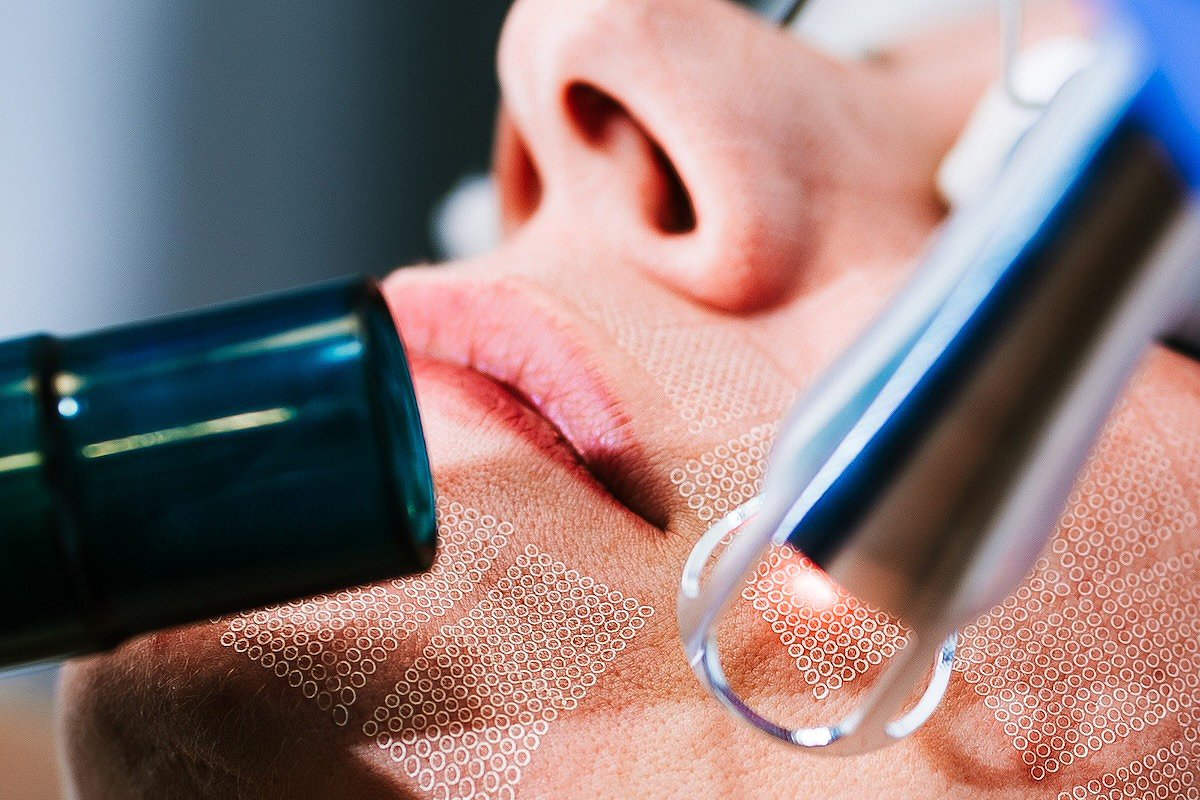
The term 'coring' refers to the microscopic columns, or 'cores', of tissue removed during treatment. Unlike traditional fractional lasers, which primarily rely on controlled thermal injury, laser coring physically removes a tiny percentage of skin while leaving the surrounding tissue intact. As these microscopic treatment zones heal, collagen remodelling and tissue contraction help improve skin firmness, texture and elasticity over time.
Dr Sabika Karim, founder of Skin Medical, explains that the technology works differently from previous generations of lasers: 'What makes coring different is that it doesn't just stimulate the skin; it physically reduces it. The laser creates thousands of microscopic channels, selectively removing a very small, controlled percentage of the skin. In simple terms, it's like 'shrink-wrapping' the skin. This is particularly powerful for treating excess or redundant skin.'
She adds that, because the surrounding tissue remains intact, healing is faster while the microscopic treatment zones remain below the threshold that would normally result in scarring.
Why has this generated so much attention?
Much of the interest in laser coring comes from achieving meaningful skin tightening without surgery while keeping downtime manageable.
Traditional ablative laser treatments can deliver excellent resurfacing results but are often associated with prolonged recovery. Laser coring aims to reduce this while still producing visible firming.
'UltraClear Laser-Coring has generated marked attention because it delivers highly effective results with a fraction of the downtime,” says Dr Karim. “Typically, patients experience around five days of recovery, compared with older-generation CO₂ lasers, which often required up to two weeks.'
'Until now, lasers were not great at achieving skin tightening, and certainly not without major risk of complications,' says Dr Dev Patel from Perfect Skin Solutions. 'With the laser coring mode, we can finally deliver skin tightening but in a safe manner that is suitable for all skin types.'
Dr Nima Mahmoodi from Remedi London adds, 'For me, it’s one of those technologies that actually moves the sector forward, not just in terms of results, but in terms of how we think about treating the skin more intelligently and more respectfully.'
Who is the ideal candidate?
While the treatment is often associated with facial rejuvenation, clinicians are increasingly using laser coring to address early skin laxity around the jawline, neck and eyes, alongside concerns such as acne scarring, enlarged pores and uneven texture.
According to Dr Karim, laser coring is best suited to patients with early signs of ageing, including fine lines, wrinkles, enlarged pores, uneven skin tone, mild to moderate skin laxity and acne scarring. It is particularly appealing to those seeking natural-looking rejuvenation without surgery, but who want more noticeable improvements than traditional resurfacing treatments can typically provide.
Dr Patel finds that the most effective treatment areas include the neck, jawline, marionette lines, brow area, and eyelids, and he believes the technology has potential to improve certain types of scars.
While laser coring may be suitable for a broad range of patients, individual suitability relies on factors such as skin quality, medical history and treatment goals.
What results can patients expect?
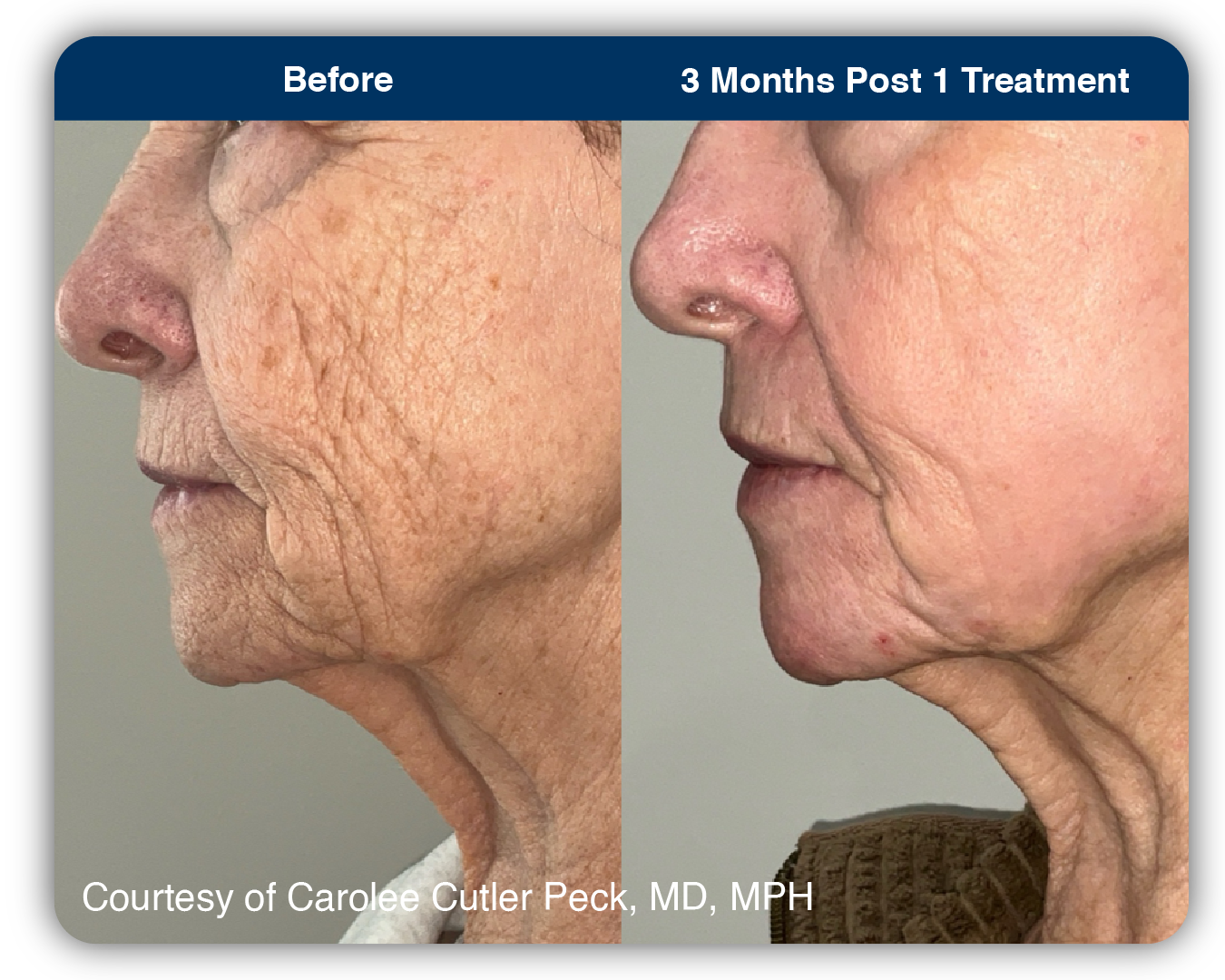
Improvements are typically gradual rather than immediate. As the skin heals and collagen remodelling progresses, patients may notice firmer skin, improved texture and reduced wrinkles over several months. Like many collagen-stimulating procedures, results continue to develop long after the initial recovery period.
Some early improvements can be seen within a few weeks as the skin heals, but the most significant results develop progressively over several months as collagen remodelling continues,” says Dr Karim. “These improvements can continue for up to a year.
How much downtime is involved?
One of laser coring's most notable strengths is the shorter recovery period compared with traditional ablative lasers. Most clinicians advise patients to expect several days of redness and swelling before returning to normal activities.
It's taken downtime down from two weeks of looking awful to around five days, with three days of looking not so great,” adds Dr Karim. “By day four you can usually wear makeup, and by day five or six most patients are back to normal.
As with any aesthetic treatment, results vary between individuals and depend on factors such as age, skin quality, lifestyle and the severity of skin laxity. Laser coring is not intended to replace surgery in patients with significant excess skin, and realistic expectations remain an important part of the consultation process.
What should patients consider before treatment?
Experts emphasise the importance of consultation and careful patient selection. A thorough consultation allows practitioners to assess skin concerns, discuss realistic outcomes and determine whether laser coring is the most appropriate option.
Dr Hannah Chapman from Kindred Clinic advises that treatment should always be adapted to the individual: “Factors such as skin type, medical history, lifestyle, and desired outcomes all influence whether laser coring is the most appropriate option.”
Patient preparation also plays an important role in reaching optimal results. As Dr Karim notes, “Setting patients up for success is a journey, which starts right from the first contact.”
Experts recommend discussing downtime, costs, predicted results and alternative treatment options before proceeding. While laser coring may represent an exciting advancement, the right treatment will always depend on the individual patient’s needs and expectations.
The bottom line
As demand grows for treatments that bridge the gap between traditional laser resurfacing and surgery, laser coring is emerging as one of the most closely watched innovations in aesthetic medicine. While relatively new to the UK, the technology has already been used by hundreds of surgeons in the United States, providing valuable real-world clinical experience that has helped shape both treatment protocols and patient safety. As published evidence continues to grow alongside wider adoption, laser coring is expanding the range of non-surgical options available for patients seeking improvements in skin laxity and overall skin quality. As with any aesthetic treatment, outcomes depend on careful patient selection and treatment by an experienced practitioner.