


Patient Safety Series
in collaboration with

Trusted guidance for safer, higher-quality aesthetic care.
About BCAM
SKIN treatments
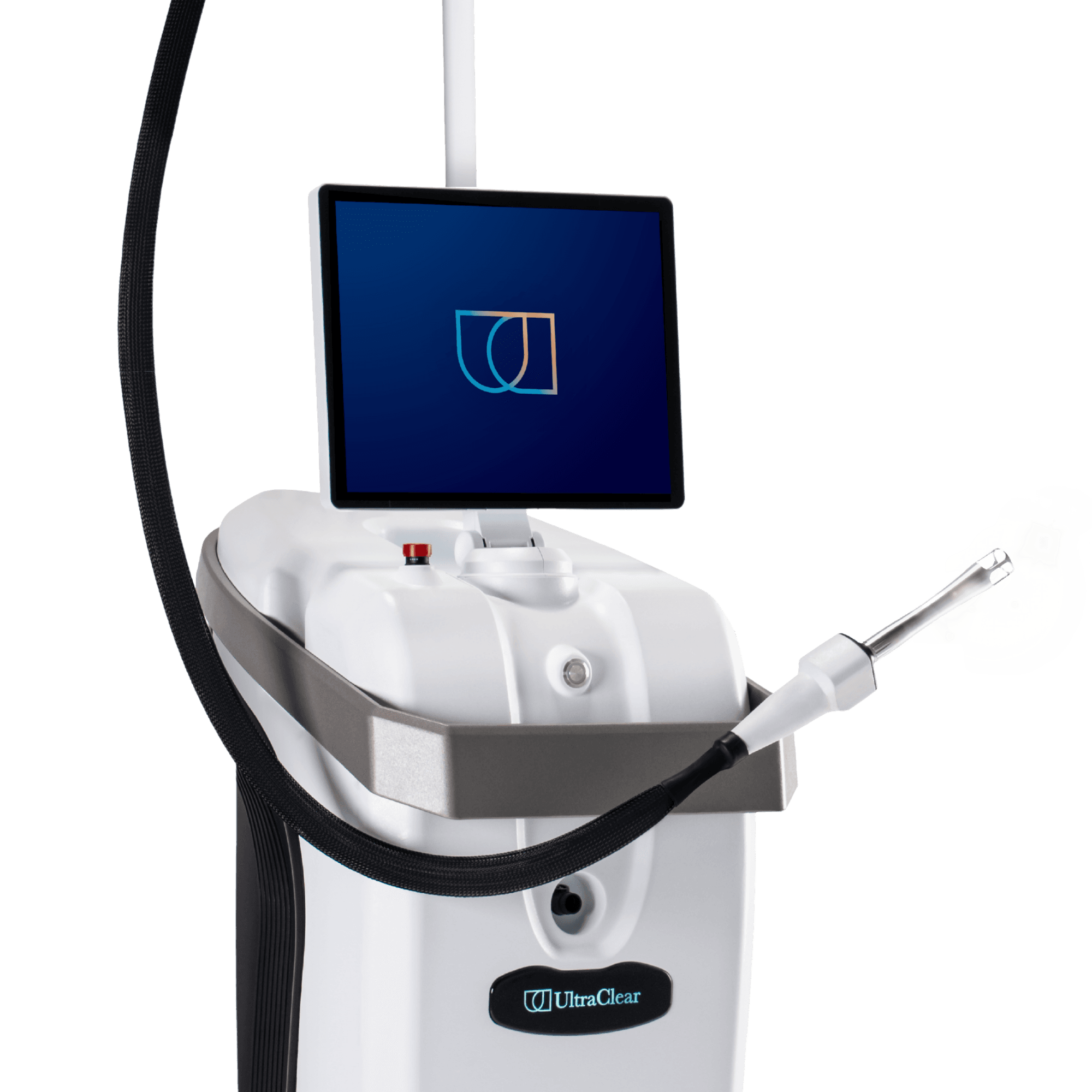
UltraClear
UltraClear, the world’s first cold ablative fractional fibre laser, is a fractional laser resurfacing treatment used to improve skin texture, tone, and overall skin quality through controlled skin renewal.
 1 doctor or clinic

treatmentDetail.tabHeadings.overview
UltraClear, the world’s first cold ablative fractional fibre laser, is a fractional laser resurfacing treatment used to improve skin texture, tone, and overall skin quality through controlled skin renewal.
Using 2910 nm wavelength, it works by delivering laser energy in a pattern of microscopic treatment zones, creating tiny channels within the skin. These micro-injuries trigger the body’s natural repair response, during which new skin cells are generated and collagen is remodelled. Collagen plays a key role in maintaining skin structure, firmness, and elasticity, and its gradual decline is one of the underlying factors in visible ageing.
A distinguishing feature of UltraClear is its energy delivery profile. It uses a fibre-based laser system designed to produce high precision with relatively limited thermal spread to surrounding tissue, compared to traditional ablative lasers. This offers faster healing with less risk and discomfort.
UltraClear includes two treatment modes:
3DMIRACL® (3D Micro-Resurfacing and Collagen Laser)
A superficial-to-mid depth treatment focused on improving skin clarity, texture, and overall appearance
Laser-Coring™
A deeper treatment that removes microscopic columns of skin tissue, allowing new tissue to regenerate during healing.
These two approaches allow practitioners to tailor treatment based on skin concern, treatment intensity, and recovery preference.
What to expect during treatment
Treatment begins with a consultation and skin assessment.
UltraClear is performed using a handheld device that delivers fractional laser energy across the skin.
3DMIRACL®
Sensation: mild warmth or tingling
May not require numbing, depending on sensitivity
Laser-Coring™
Sensation: more intense heat or prickling
Topical numbing cream is typically applied
Treatment time varies depending on the area and depth:
Approximately 20–45 minutes for lighter treatments
Up to 60 minutes for deeper or larger areas
During the procedure, the practitioner adjusts:
Energy level
Treatment depth
Coverage density
Immediately after treatment, the skin may appear red and feel warm, similar to a mild sunburn.
UltraClear vs CO2 Fractional Laser
UltraClear is generally positioned as a more adaptable, lower-thermal fractional laser option. Its two modes allow practitioners to treat at different levels: 3DMIRACL® for lighter resurfacing, glow, texture, and pores, and Laser-Coring™ for deeper tissue renewal, acne scarring, and more advanced textural concerns. Its key distinction is controlled energy delivery, which may mean a more flexible recovery profile depending on settings.
CO₂ fractional laser is usually considered a more intensive ablative resurfacing treatment. It creates stronger heat and tissue removal, which can be useful for deeper wrinkles, pronounced sun damage, and significant scarring, but it typically comes with longer downtime and a higher need for careful aftercare. In simple terms: UltraClear offers adjustable resurfacing with recovery flexibility; CO₂ fractional laser offers stronger resurfacing but usually with greater downtime and risk considerations.
Key benefits
 Improves uneven skin texture
 Reduces the appearance of fine lines
 Targets certain acne scars
 Addresses visible sun damage
 Adjustable resurfacing intensity
 3:45
Safe Practice, Better Outcomes
This short video, created in collaboration with BCAM, explains what safe, high-quality practice looks like for ultraclear.
 Understand the key safety standards
- Learn what to expect before, during and after treatment
- Make informed choices about your treatment
Frequently asked questions
Aftercare guidance
Follow this advice to get the best results and reduce the risk of side effects.
- 1First 24 hoursAvoid heat, strenuous exercise and touching or picking at treated skin.
- 2For the first 7 daysUse prescribed skincare and avoid exfoliants, retinoids and unnecessary sun exposure.
- 3Ongoing careKeep skin moisturised and protected with SPF once your practitioner advises.
- 4Follow upAttend your recommended review and report increasing redness, pain or unusual discharge.
Patient Safety Series
in collaboration with
Trusted guidance for safer, higher-quality aesthetic care.
About BCAM