


Patient Safety Series
in collaboration with

Trusted guidance for safer, higher-quality aesthetic care.
About BCAM
Skin treatments
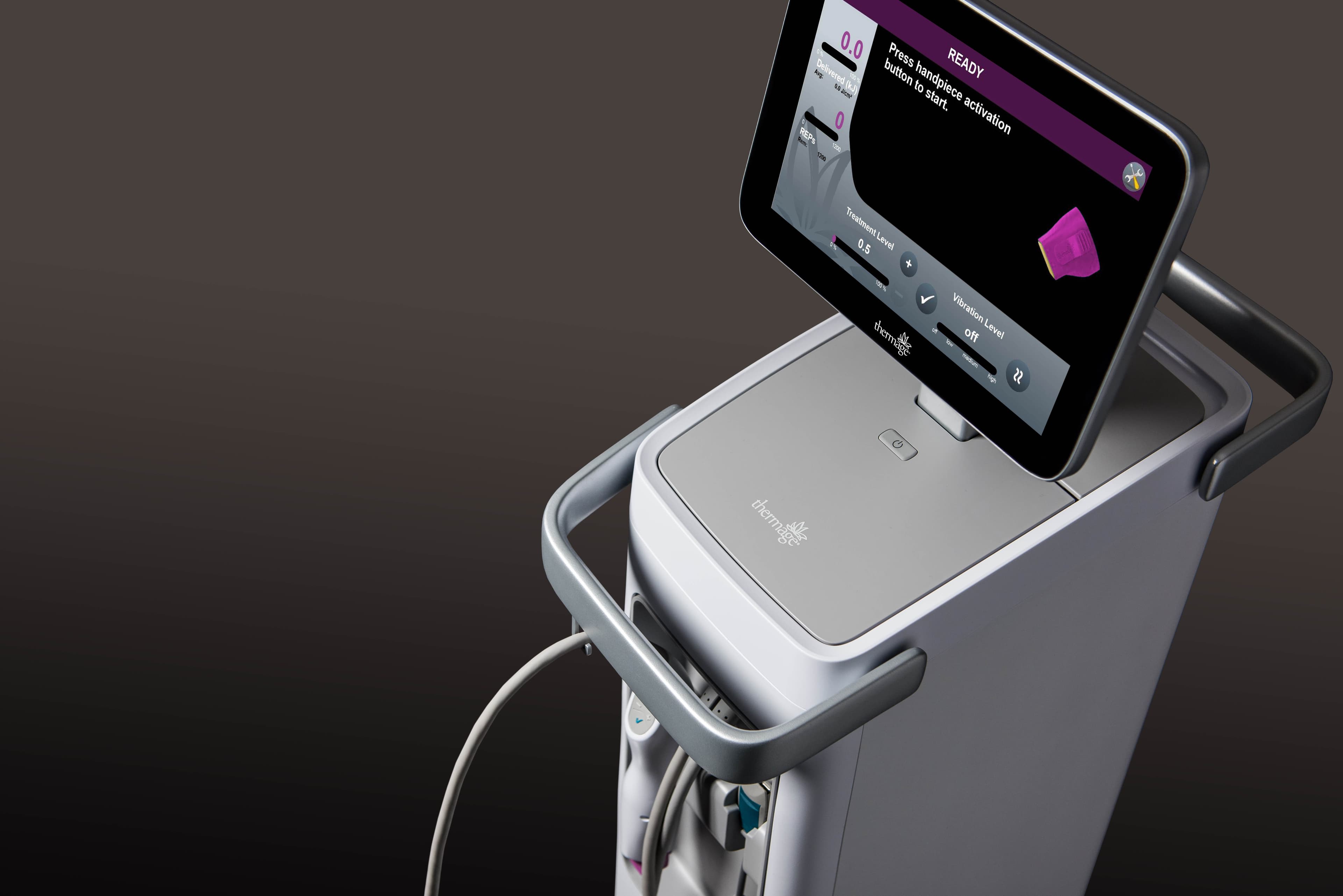
Thermage FLX
Thermage FLX is a non-invasive skin tightening treatment that uses advanced radiofrequency (RF) energy to rejuvenate the skin and reduce signs of ageing such as wrinkles, sagging, and skin laxity.
 1 doctor or clinic

treatmentDetail.tabHeadings.overview
Thermage FLX is a non-invasive skin tightening treatment that uses advanced radiofrequency (RF) energy to rejuvenate the skin and reduce signs of ageing such as wrinkles, sagging, and skin laxity. The treatment works by delivering RF energy deep into the skin’s dermis (the middle layer), where it stimulates new collagen production and tightens existing collagen fibres. This process results in firmer, smoother, and more youthful-looking skin over time, offering a non-surgical alternative to more invasive procedures.
One of the key advantages of Thermage FLX is its ability to support collagen banking. Collagen banking refers to the process of stimulating the skin to accumulate and store collagen over time, much like a savings account that gains value with interest. As RF energy is applied, it activates the skin's natural processes, promoting the production of new collagen and helping to preserve existing collagen. This ongoing collagen production continues long after the treatment, contributing to longer-lasting skin tightening and rejuvenation.
What sets Thermage FLX apart from other treatments is its innovative technology. The device uses monopolar RF energy, which targets deeper layers of the skin without affecting the surface, ensuring that the outer layer remains protected. This is made possible by built-in cooling technology that continuously cools the skin as the RF energy is applied, allowing the practitioner to use higher energy levels for better results while ensuring the client’s comfort. This combination of controlled heating and cooling provides an effective treatment that minimises discomfort and risks.
Thermage FLX also features AccuREP Technology, which delivers precise, pulse-controlled RF energy. This technology ensures that each pulse of energy is delivered consistently and at the optimal temperature for skin tightening, while maintaining comfort during the procedure. The adjustable energy levels allow practitioners to tailor the treatment based on the client’s unique skin type and areas of concern, from delicate areas like around the eyes to larger areas such as the abdomen or thighs. The enhanced energy delivery also makes treatments faster and more efficient, with quicker sessions and greater precision compared to older models.
What to expect during treatment
During a Thermage FLX session, a handheld device is used to deliver radiofrequency energy to the skin’s dermal layers. The tip of the device is designed with advanced cooling technology that continuously cools the outer layer of the skin, protecting it from excessive heat and reducing discomfort. The RF energy delivered by the device causes the targeted skin tissue to heat up to approximately 65°C (149°F), which triggers collagen remodelling and tightening.
Clients may experience sensations of warmth, a slight tingling, or a pulsating feeling as the energy is applied. The procedure typically lasts between 30 minutes to 2 hours, depending on the treatment area, and involves no downtime. While the treatment is generally well-tolerated, no anaesthesia or numbing creams are typically used, as the procedure is designed to be comfortable. Open communication with the practitioner throughout the treatment is key to ensure comfort and adjust settings as needed during the procedure.
Monopolar Radiofrequency vs. HIFU
Radiofrequency (RF) and High-Intensity Focused Ultrasound (HIFU) are both non-invasive technologies used for skin tightening, but they work in different ways and target different layers of the skin.
RF technology, like that used in Thermage FLX, heats the deeper layers of the skin (including the dermis and subcutaneous layers) to stimulate collagen production. The heat from RF energy helps tighten the skin and improve skin texture by encouraging collagen remodelling. RF is known for its effective treatment in skin laxity and wrinkle reduction, especially in areas like the jowls, neck, and under the eyes, where deeper skin layers need more support.
On the other hand, HIFU uses ultrasound energy to target the SMAS layer, which is a deeper layer of the skin and the muscle system responsible for facial structure and firmness. By delivering focused ultrasound waves to the SMAS layer, HIFU helps lift and tighten the skin by providing a more profound lift that is often compared to a facelift. While RF is generally more superficial, focusing on the dermis, HIFU works deeper, making it suitable for lifting and tightening more significant areas like the jawline and cheeks.
Each technology has its benefits, with RF being ideal for overall skin texture improvement and mild to moderate tightening, and HIFU often being the choice for clients seeking more dramatic lifting. A consultation with your practitioner will help you decide which treatment is best based on your skin condition and aesthetic goals.
Key benefits
 Improves skin firmness
 Softens the appearance of fine lines
 Supports collagen remodelling
 Non-invasive skin tightening
 Little to no routine downtime

 3:45
Safe Practice, Better Outcomes
This short video, created in collaboration with BCAM, explains what safe, high-quality practice looks like for thermage flx.
 Understand the key safety standards
- Learn what to expect before, during and after treatment
- Make informed choices about your treatment
Frequently asked questions
Aftercare guidance
Follow this advice to get the best results and reduce the risk of side effects.
- 1First 24 hoursAvoid excessive heat or irritating skincare if your skin feels sensitive.
- 2For the first 2 daysUse gentle skincare and avoid unnecessary rubbing if tenderness persists.
- 3Ongoing careMaintain regular moisturising and daily sun protection to support skin health.
- 4Follow upAttend any recommended review to assess gradual changes in skin firmness.
Patient Safety Series
in collaboration with
Trusted guidance for safer, higher-quality aesthetic care.
About BCAM