


Patient Safety Series
in collaboration with

Trusted guidance for safer, higher-quality aesthetic care.
About BCAM
Skin treatments
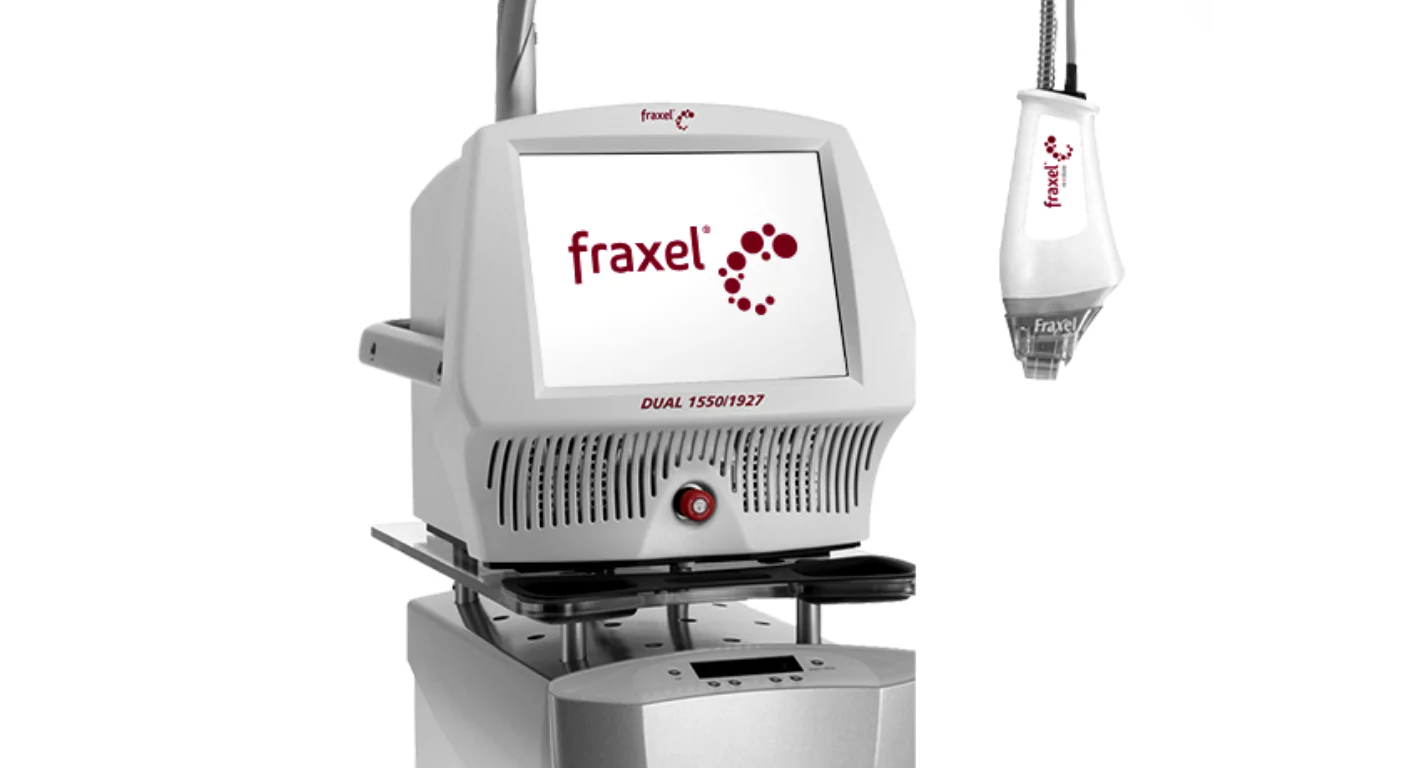
Fraxel Laser
Fraxel is a revolutionary, non-invasive laser treatment designed to improve the appearance of the skin by addressing a variety of concerns such as fine lines, wrinkles, sun damage, acne scars, and uneven pigmentation.
 1 doctor or clinic

treatmentDetail.tabHeadings.overview
Fraxel is a revolutionary, non-invasive laser treatment designed to improve the appearance of the skin by addressing a variety of concerns such as fine lines, wrinkles, sun damage, acne scars, and uneven pigmentation. It utilises fractional laser technology, which divides the laser beam into thousands of microscopic treatment zones, allowing the laser to treat only a fraction of the skin at a time. This process stimulates the skin’s natural healing response and promotes the production of collagen and elastin, leading to smoother, firmer, and more youthful-looking skin.
Fraxel’s patented technology is available in two primary wavelengths: 1550nm for deeper dermal rejuvenation and 1927nm for more superficial treatments targeting skin texture and pigmentation. The 1550nm wavelength penetrates deeper into the skin to treat acne scars, wrinkles, and uneven texture, while the 1927nm wavelength focuses on sun spots, pigmentation, and overall skin tone. This dual-wavelength approach enables Fraxel to address a broad range of skin concerns, providing a more comprehensive and personalised treatment plan for each client.
What to expect during treatment
During the Fraxel treatment, the practitioner will first apply a topical numbing cream to the treatment area to ensure comfort throughout the procedure. The laser handpiece will then be moved over the skin, delivering fractional laser energy to treat targeted areas.
The 1550nm wavelength will penetrate deeper into the skin to treat wrinkles, acne scars, and uneven skin texture, while the 1927nm wavelength will target more superficial skin issues, such as pigmentation and sun spots. The entire treatment typically lasts between 20 to 45 minutes, depending on the size of the treatment area.
Most clients report feeling a warm sensation or mild prickling during the procedure. After the treatment, the skin may appear slightly red or swollen, similar to the feeling of a mild sunburn, but this typically resolves within a few hours. Some clients may experience a slight tightness or dryness in the skin during the healing process.
Fraxel vs. CO2 Laser
Fraxel and CO2 laser are both highly effective laser skin resurfacing treatments, but they differ in their technology, depth of penetration, and ideal candidates.
Fraxel uses fractional laser technology, which targets only a fraction of the skin, leaving surrounding tissue intact for faster healing. The treatment uses dual wavelengths: the 1550nm wavelength for deeper dermal rejuvenation and the 1927nm wavelength for superficial treatments. This allows Fraxel to effectively treat a wide range of concerns, including fine lines, acne scars, sun damage, and uneven pigmentation. The fractional approach makes Fraxel suitable for those who want significant results with minimal downtime and less risk of side effects.
CO2 laser, on the other hand, is a more intense, ablative treatment that removes the top layers of skin to address deeper wrinkles, scars, and pigmentation. It is highly effective for severe skin damage and deep wrinkles but comes with a longer recovery time compared to Fraxel. CO2 laser is better suited for individuals looking for dramatic results but can cause more downtime and a greater risk of side effects, such as scarring or hyperpigmentation in individuals with darker skin.
The main difference between the two is that Fraxel is a non-ablative, fractional treatment with minimal downtime, making it ideal for clients with mild to moderate concerns, while CO2 laser is an ablative treatment designed for those seeking more intensive skin resurfacing.
Key benefits
 Improves uneven skin texture
 Reduces the appearance of acne scars
 Softens fine lines and wrinkles
 Addresses pigmentation and sun damage
 Stimulates skin remodelling

 3:45
Safe Practice, Better Outcomes
This short video, created in collaboration with BCAM, explains what safe, high-quality practice looks like for fraxel laser.
 Understand the key safety standards
- Learn what to expect before, during and after treatment
- Make informed choices about your treatment
Frequently asked questions
Aftercare guidance
Follow this advice to get the best results and reduce the risk of side effects.
- 1First 24 hoursAvoid heat, strenuous exercise and direct sun exposure while skin is sensitive.
- 2For the first 7 daysAvoid exfoliants, retinoids and picking at peeling or crusting skin.
- 3Ongoing careFollow prescribed skincare and maintain strict sun protection throughout healing.
- 4Follow upAttend your scheduled review and report worsening pain, swelling or signs of infection.
Patient Safety Series
in collaboration with
Trusted guidance for safer, higher-quality aesthetic care.
About BCAM